
Seattle Septic Pumping
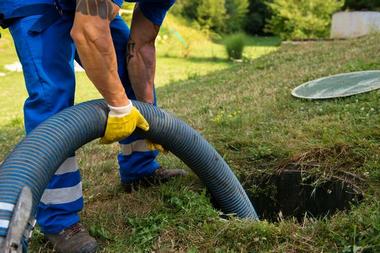 Seattle Septic Pumping plays a critical role in protecting properties that rely on on-site wastewater systems throughout the region. Regular service helps prevent backups, slow drains, and unpleasant odors, while also extending the working life of septic tanks and drainfields. As development has expanded from the historic waterfront toward neighborhoods like Ballard and West Seattle, the plumbing industry in Seattle has evolved to meet higher performance and environmental expectations, making scheduled Seattle Septic Pumping essential for long-term reliability.
Professional Seattle Septic Pumping removes accumulated solids before they migrate into the drainfield, where they can cause clogs and expensive failures. Careful inspection during pumping can reveal early signs of wear, root intrusion, or damaged components, giving owners time to address problems before they become emergencies. This combination of preventative maintenance and informed recommendations helps households and businesses keep wastewater systems operating safely and in compliance with local health regulations.
Here are some of the professional services available in Seattle.
- Emergency Septic Pumping
- 24 Hour Septic Pumping
- Septic Tank Pumping Near Me
- Best Septic Pumping Company
- Septic Tank Pumping Services
- Septic Tank Pumping
Call Scott’s Septic Service today for responsive, dependable Seattle Septic Pumping that helps protect your property and system.
Seattle Septic Pumper
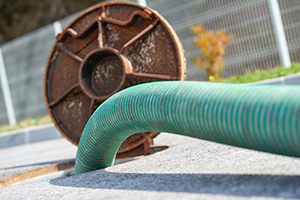 A skilled Seattle Septic Pumper provides the expertise needed to service systems safely and efficiently for both homes and commercial sites. Using appropriate pumping equipment, hoses, and safety practices, technicians remove sludge and scum without damaging tank structures or surrounding landscaping. For businesses handling steady customer traffic, an experienced Seattle Septic Pumper helps maintain consistent operations by scheduling service at convenient times and documenting tank conditions for future planning.
Local conditions also influence how often residents should rely on a professional Seattle Septic Pumper. Heavy winter rains and saturated soils common around neighborhoods near Lake Washington can increase the strain on drainfields, making proactive pumping and inspections even more important. By understanding these regional factors, pumping professionals can recommend suitable service intervals, offer maintenance tips, and help owners reduce the likelihood of emergency repairs or costly system replacements.
Here is an overview of additional septic support available in Seattle.
- Septic Tank Pumping Cost
- Septic Pumping Service Near Me
- Septic Pumping Company
- Septic Tank Pumping Near Me
- Septic Tank Pumping
- Septic Tank Pumpers Near Me
Call Scott’s Septic Service when a trusted Seattle Septic Pumper is needed to maintain dependable septic performance.
Seattle Septic Tank Pumping
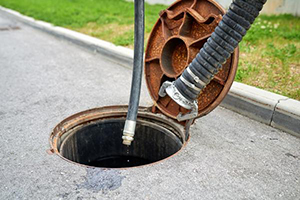 Consistent Seattle Septic Tank Pumping is fundamental for system reliability, protecting both property and surrounding groundwater. When solids accumulate unchecked, they can bypass internal baffles, reach the drainfield, and trigger surfacing effluent or sewage backups inside buildings. Timely Seattle Septic Tank Pumping clears these materials, allowing the system to process wastewater as designed and lowering the likelihood of disruptive failures.
Many local health professionals recommend scheduling Seattle Septic Tank Pumping every three to five years, though usage levels and tank size can change that interval. In hilly areas around Queen Anne and similar neighborhoods, gravity-fed systems particularly benefit from routine service to keep lines open and flowing freely. A practical tip is to track pump dates and inspection notes, so owners can adjust maintenance frequency as household size, water use, or property conditions evolve.
Below is a summary of related septic maintenance options in Seattle.
- Septic Pumping
- Septic Pumping Near Me
- Septic Tank Pump Out Services
- Septic Tank Pumping Services
- Septic Tank Pumping Near Me
- Septic Tank Cleanout
Call Scott’s Septic Service now to schedule thorough Seattle Septic Tank Pumping and help safeguard your septic investment.